- A win is worth 2 points. A loss in overtime or a shootout is worth 1. A loss in regulation is worth 0.
- Teams are ranked by points, not by wins.
- Each team plays 84 games starting with the 2026-27 season, up from 82.
- Sixteen teams make the playoffs: the top three in each division plus two wild cards in each conference.
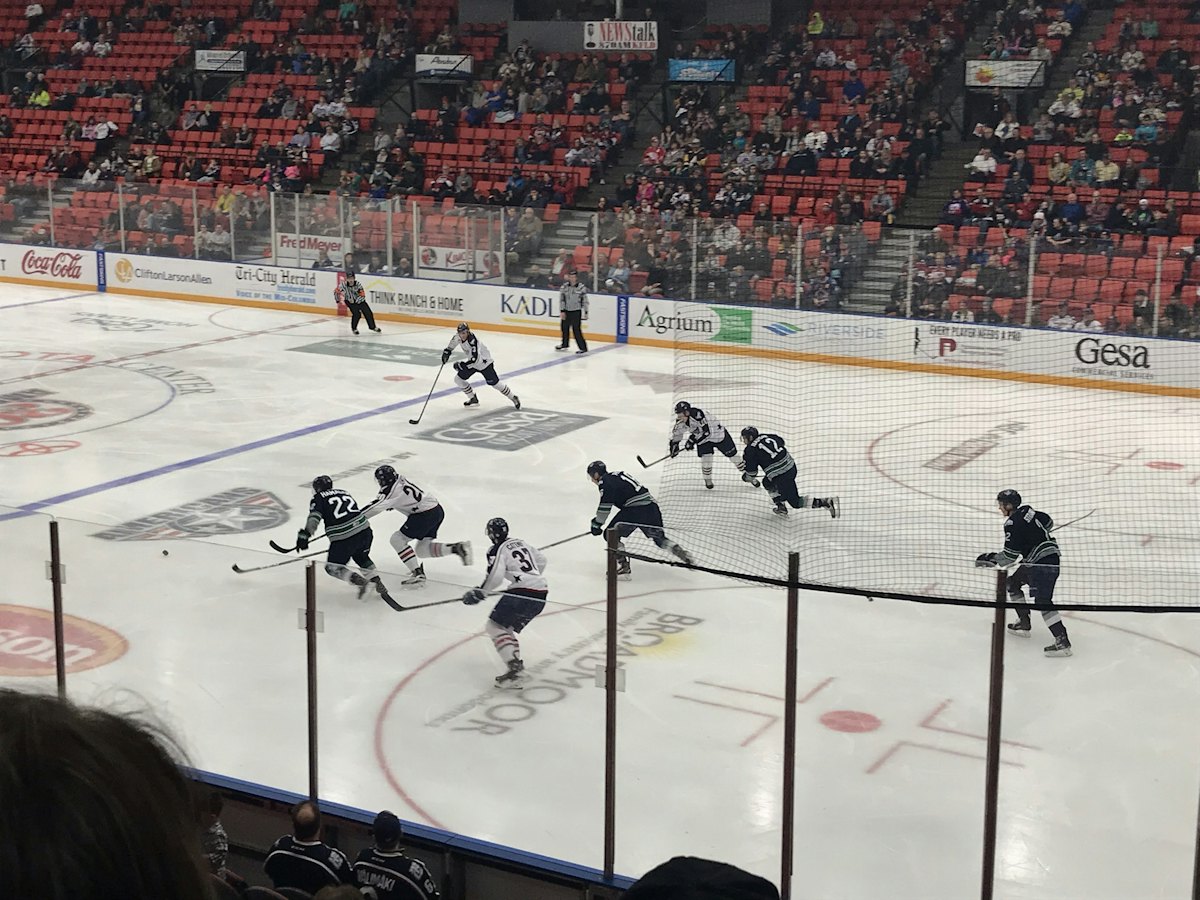
In most American sports, the standings are a list of wins and losses. Hockey adds a third column, and that column changes everything.
NHL teams are ranked by points. A team can lose a game and still move up.
Reading the columns
| Column | Meaning |
|---|---|
| GP | Games played |
| W | Wins of any kind |
| L | Losses in regulation, the 60 minutes of normal play |
| OTL | Losses in overtime or a shootout |
| PTS | Points: 2 for each win, 1 for each OTL |
| RW | Wins in regulation |
| ROW | Wins in regulation or overtime, not counting shootouts |
Why a loss can be worth a point
If a game is tied after 60 minutes, both teams have already earned 1 point. They then play for the second one.
In the regular season that means five minutes of overtime with three skaters a side. The first goal wins. If nobody scores, the game goes to a shootout.
The winner leaves with 2 points and the loser keeps 1. So a game that ends in regulation hands out 2 points in total, and a game that goes past regulation hands out 3.
Get a game to overtime and you cannot leave with nothing.
The 84-game season
For years the NHL schedule ran 82 games. Starting with the 2026-27 season it runs 84, with 42 at home and 42 on the road.
The two extra games go to division rivals. Every team now plays each of the seven other clubs in its division four times. A perfect season would be worth 168 points.
Who makes the playoffs
The league has 32 teams, split into two conferences of two divisions each. Sixteen teams reach the playoffs, eight from each conference.
The top three teams in each division qualify automatically. The last two spots in each conference are the wild cards. They go to the two teams with the most points among everyone left, whatever division they play in.
Breaking ties
When two teams finish with the same number of points, the league works down a list until one of them comes out ahead.
- More wins in regulation.
- More wins in regulation and overtime combined.
- More wins of any kind.
- More points in the games between the tied teams.
- Better goal difference over the season.
- More goals scored.
The order tells you what the league values. A win in 60 minutes counts for more than a win in overtime, and a win in overtime counts for more than a win in a shootout.