- In the regular season, a game tied after 60 minutes goes to five minutes of overtime with three skaters a side. The first goal wins.
- If nobody scores, the game is decided by a shootout: three shooters for each team, then one round at a time.
- The winner gets 2 points in the standings. The loser still gets 1.
- In the playoffs there are no shootouts. Teams play full 20-minute periods, five against five, until someone scores.
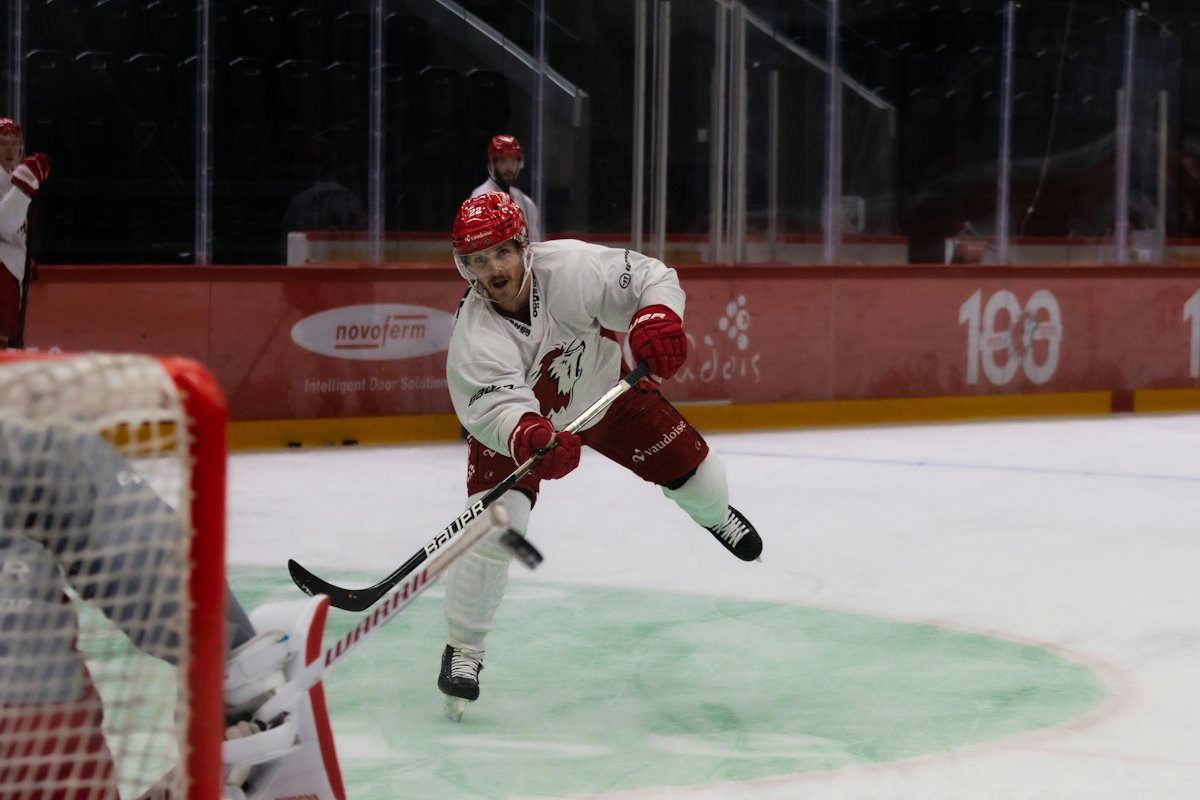
A hockey game is three periods of 20 minutes. When the score is level at the end, what happens next depends on the time of year.
From October to April, the NHL wants a winner quickly. In the playoffs, it is willing to wait all night.
Regular season: three against three
After a one-minute break the teams play a single overtime period of five minutes. It is sudden death. The first goal ends the game.
Each team has only three skaters on the ice, plus its goalie, instead of the usual five. With so few players there is a huge amount of open space. Chances come at both ends, one after another, and most overtimes end with a goal.
The NHL moved to three against three in 2015 for exactly that reason. It wanted more games settled by a goal and fewer by a shootout.
Penalties work in an unusual way. A team cannot go below three skaters, so when a penalty is called the other team adds a fourth.
The shootout
If five minutes pass without a goal, the game goes to a shootout. It was introduced in 2005. Before that, a regular-season game could end as a tie.
One player starts at center ice with the puck and skates in alone on the goalie. He gets one shot. The puck has to keep moving toward the net, and there are no rebounds.
Each team sends three shooters, taking turns. The team with more goals wins. If it is still level after three each, they go one round at a time until one team scores and the other does not.
The winner is given one extra goal in the final score, however many it scored in the shootout. A game that was 2-2 goes into the books as 3-2.
Regular season and playoffs
| Regular season | Playoffs | |
|---|---|---|
| Players | 3 against 3 | 5 against 5 |
| Length of a period | 5 minutes | 20 minutes |
| Break before it starts | 1 minute | A full intermission |
| How it ends | First goal, or a shootout | First goal, however long it takes |
| Shootout | Yes | Never |
The point for losing
A team that loses in overtime or a shootout still gets one point in the standings. The winner gets two.
That single point has decided playoff places many times. It also explains why teams often play carefully late in a tied game. Reaching overtime guarantees them something.
One more detail matters in April. When two teams finish level on points, wins in a shootout count for less than other wins. The full system is explained in where the points in the standings come from.
In the regular season a tied game can end in a contest of skill. In the playoffs it ends when somebody scores.
Playoffs: as long as it takes
Playoff overtime is ordinary hockey, continued. The teams take a full intermission, the ice is cleaned, and they play another 20-minute period at five against five. The first goal wins.
If nobody scores, they do it again. And again. There is no limit.
The longest game in NHL history was played on March 24, 1936. Detroit beat the Montreal Maroons 1-0 in the sixth overtime period, after 116 minutes and 30 seconds of extra play. Counting the first three periods, that is nearly three complete games.
It still happens. In August 2020, Tampa Bay beat Columbus in the fifth overtime of a playoff game.
Why no shootouts in the playoffs?
A shootout is exciting, but it is a different skill from playing the game. Most people in hockey think a season should not end that way.
In the regular season the league has practical reasons to finish on time. Teams play 84 games and often travel straight afterward. In the playoffs nothing matters except finding the better team, so the game goes on until a real goal is scored.
The prize at the end of all that overtime is the Stanley Cup. Here is how many times each team has won it.