- Since 2026, a human umpire still calls every pitch in the major leagues, but players can challenge a ball or strike call.
- Only the batter, the pitcher or the catcher can challenge. He does it by tapping his cap or helmet right away.
- Each team starts a game with two challenges and keeps a challenge when it turns out to be right.
- Cameras track the pitch and the answer appears on the scoreboard within seconds. A little more than half of all challenges overturn the call.
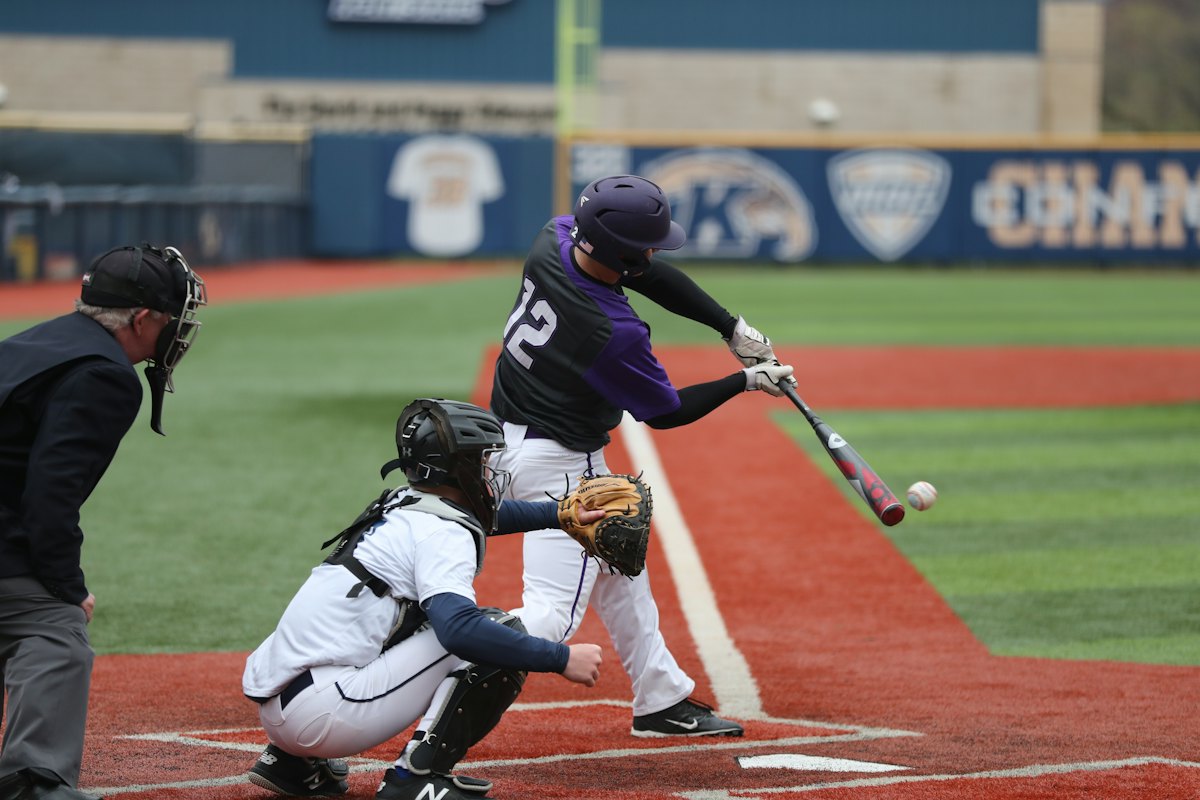
For more than a century, one person decided whether a pitch was a ball or a strike. The umpire behind home plate made the call in a split second, and nobody could change it.
In 2026 that ended. Baseball fans call the new arrangement "robot umpires". The real thing is more modest than the name, and more interesting.
What changed in 2026
The official name is the Automated Ball-Strike Challenge System, or ABS. Cameras follow every pitch and know exactly where it crossed the plate.
Major League Baseball could have let those cameras make every call. It chose not to. The umpire still calls each pitch as before. The cameras are used only when a player disagrees and asks for a check.
The league approved the system in September 2025. It is used in every game: spring training, the regular season and the playoffs.
How a challenge works
A player who thinks the call was wrong taps the top of his cap or helmet. He has to do it immediately, within about two seconds. He cannot look to the dugout for advice, and nobody else on the team may signal for him.
The umpire announces the challenge. A graphic on the stadium video board shows the pitch and the strike zone, and the same picture goes out on television. Everyone in the building sees the answer at the same moment.
The call is then confirmed or reversed. In tests the whole thing took about 14 seconds.
The rules in brief
| Question | Answer |
|---|---|
| Challenges for each team | Two per game |
| If the challenge is right | The team keeps it |
| If the challenge is wrong | The team loses it |
| Who can challenge | The batter, the pitcher or the catcher |
| Extra innings | A team with none left gets one for each extra inning |
| When a fielder is pitching | No challenges allowed |
The strike zone the cameras use
The zone is 17 inches wide, the same as home plate. Its height depends on the batter. The top is set at 53.5 percent of his height and the bottom at 27 percent.
For a player who is 6 feet tall, that puts the top of the zone about 38.5 inches off the ground and the bottom about 19.5 inches.
Every player is measured standing up, without shoes on. The pitch is judged as it passes over the middle of the plate, and if any part of the ball touches the zone, it is a strike.
The cameras come from the same family of technology that calls the lines in professional tennis. Each ballpark has 12 of them, and the system is accurate to about a sixth of an inch.
The umpire still makes the call. The players can now ask the cameras to check it.
What the numbers say
The system was tried in spring training in 2025. Teams used about four challenges a game between them, and 52 percent of challenges overturned the call.
The first weekend of the 2026 season looked much the same: 175 challenges, 54 percent of them successful.
The results were not even. Catchers, who see the pitch better than anyone, were right 64 percent of the time. Batters were right only 42 percent of the time.
Why not let the cameras call everything?
Baseball tested that as well, in the minor leagues. Players, coaches and fans mostly preferred the challenge version.
It fixes the worst mistakes without taking the umpire out of the game. It keeps a real skill alive: catchers work for years on receiving a pitch so that it looks like a strike. And it adds strategy.
With only two challenges, a team has to choose its moments. A first-inning pitch that was off by an inch may not be worth the risk. A full count with the bases loaded almost certainly is.
The system is in use in this month's playoffs. If the format is new to you, here is how the baseball playoffs work.